
The History of the Turkish Terry
The tradition of toweling originates from the weavers of the Ottoman Empire. The looped pile fabric that we know today as the terry towel was initially known as the Turkish Towel – a result of the evolution of textiles and an inspiration spanning generations.
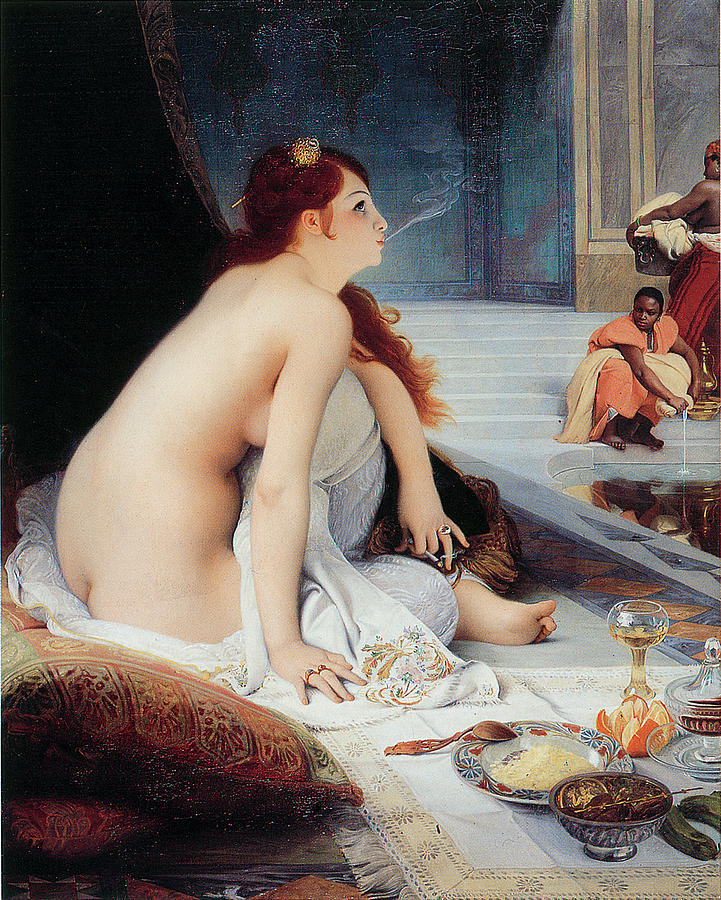
The story of the towel begins with the women of the Ottoman palace, who demanded nothing but design excellence, pushing their weavers to make more and more exquisite pieces. They brought style, design and a true flair to textiles. The hamam towel, called pestamel, was and still is a flat woven material, originally made from cotton or linen, which is embroidered delicately by hand with individual designs as a finishing touch. As each generation of women continued to demand new and more beautiful designs, the palace weavers were driven by pure creativity and innovation allowing them revolutionize textiles. This led to the development of the first looped towel in the 18th Century, a unique textile called havly – a piece of fabric which sported rows of loops making up little rectangular clusters.
Yet, the creativity of the weavers did not stop there.
Cleverly using more threads throughout the towel and pulling them through its surface, the weavers gradually increased the number of looping threads until the entire havly was covered in soft, absorbent loops.
As the towel was born, the havly became havlu, which means “with loops” in native Turkish.
The essence of Talesma comes from its heritage. Today, Talesma continues to pursue perfection through creativity, passion and a desire to differentiate itself by always striving to improve.